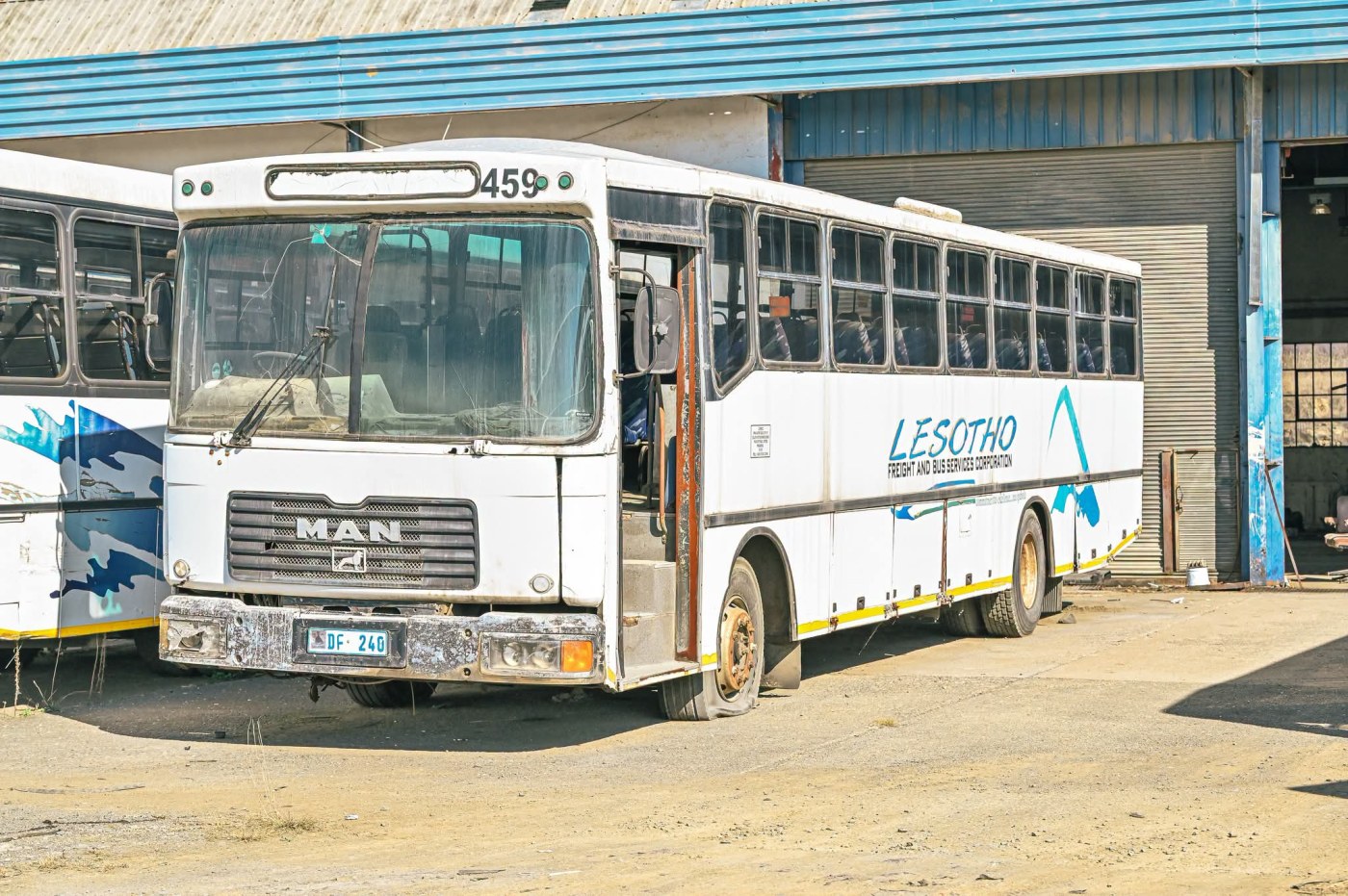
THE Lesotho Freight and Bus Services Corporation has collapsed, leaving only one functioning bus from a fleet of over 60 operated for the past four decades.
The ten broken, rotting and stripped MAN Explorer and Mercedes-Benz buses in its Maseru Industrial Area yard are a vivid illustration of the company’s demise.
They are what remains of a company established by a parliamentary order in 1987 to provide freight and transport services to remote areas. A painful and expensive reminder of what it was and a depressing peek into its bleak future.
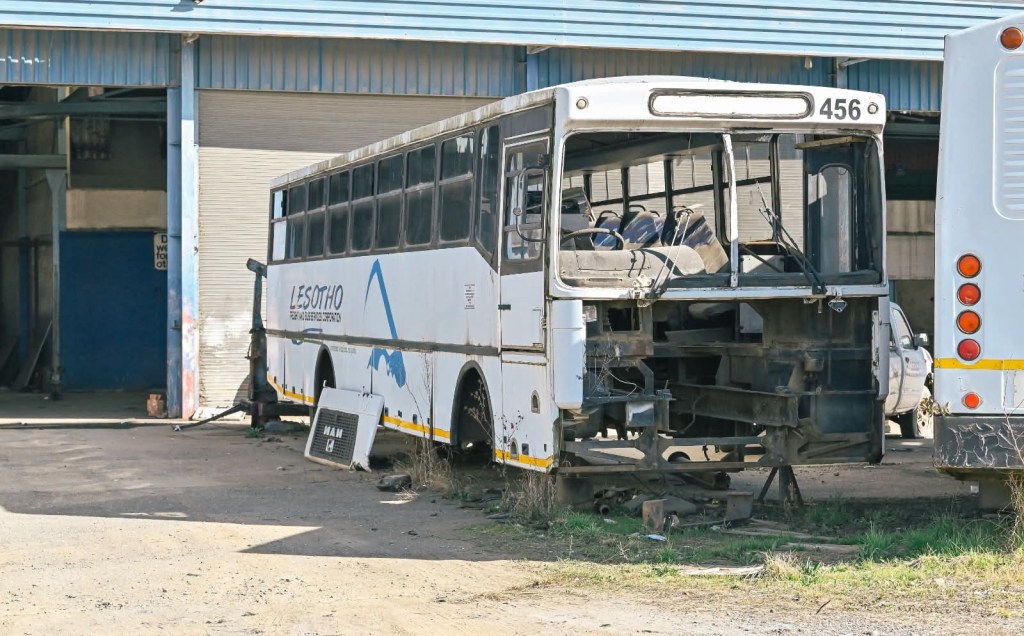
The yard where the buses were to be quickly repaired for the next trips to Mokhotlong, Qacha’s Nek, Quthing and Thaba-Tseka is now their graveyard. Most are shells, having been stripped of parts over the years. Some were towed while others limped to the yard.
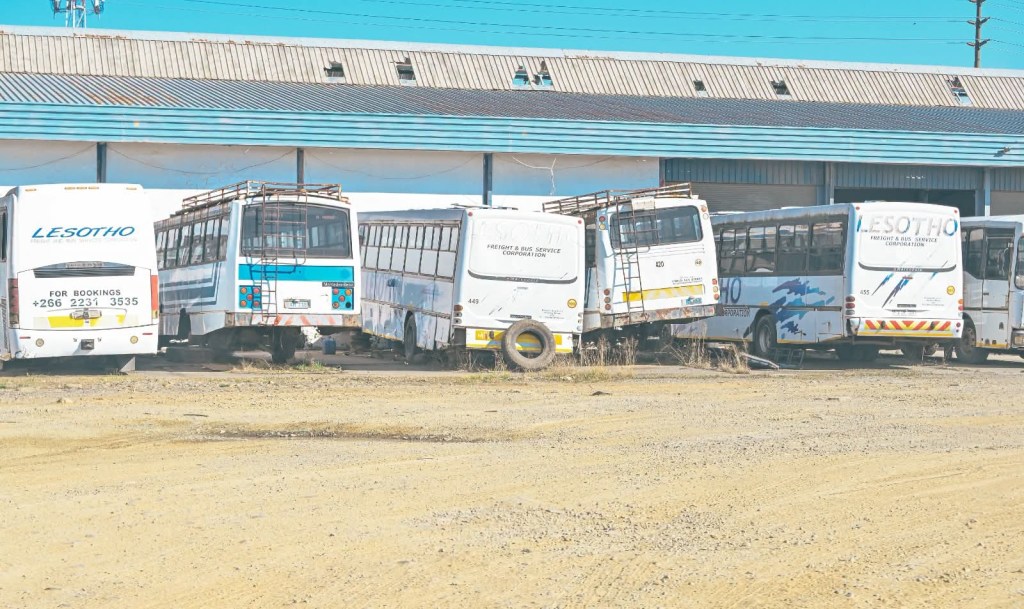
Many, including some that arrived with minor mechanical problems, have not moved in years.
Over time, their parts were either stolen or cannibalised to repair the sickly.
That stripping usually started with components like starters and alternators before moving to seats, doors and view mirrors. The same happened to the carcasses of the dead buses in the districts.
All the company can salvage from those corpses in the Maseru yard and districts is a few thousands from scrap metal dealers.
The once state-of-the-art workshop has been reduced to a shell, with most of the critical equipment either broken, missing or stripped of parts.
Years of neglect have left the company’s main office block dilapidated, with paint chipping off the walls and windows looking like they have not been cleaned in years.
Broken furniture pieces are scattered across the yard, overwhelmed by overgrown grass that is also invading the broken buses.
The company seems to have given up on both its core business and hygiene.
Without any work, most of the 35 workers – mostly drivers and mechanics – spend their days idling and basking in the sun.
The offices are not warm enough because the company is struggling to pay electricity bills. The times of overtime and racing against tight deadlines to fix buses are long gone.
Salaries are, however, paid every month. Should they not be paid?
They report for duty but the company doesn’t have duties for them.
Click on the link below to read more.
https://www.thepost.co.ls/news/a-fleet-of-ghosts/


Leave a Reply